Hotspots with product data
Every hotspot sits on the exact spot it describes: a specification, a material, a price, a caption in two languages. The text arrives when the viewer's attention does.
360° virtual reality tours
A 360° tour is the nearest thing to a site visit: a panorama you can turn, a floor-plan you can follow, video that plays where you are looking, and data attached to the exact spot it describes. Shot in 360° photography and 360° video, mixed with surround sound.
Where tours earn their keep
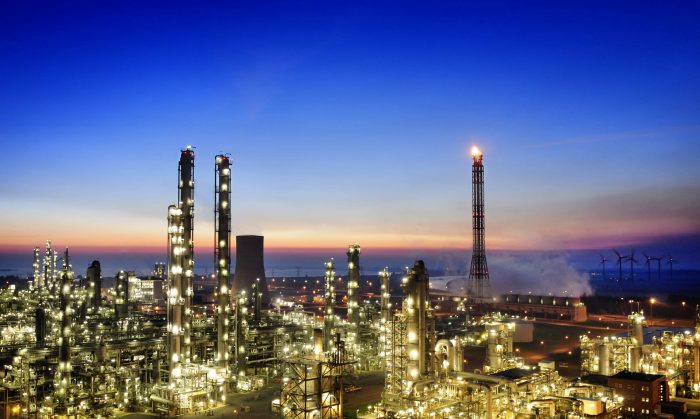
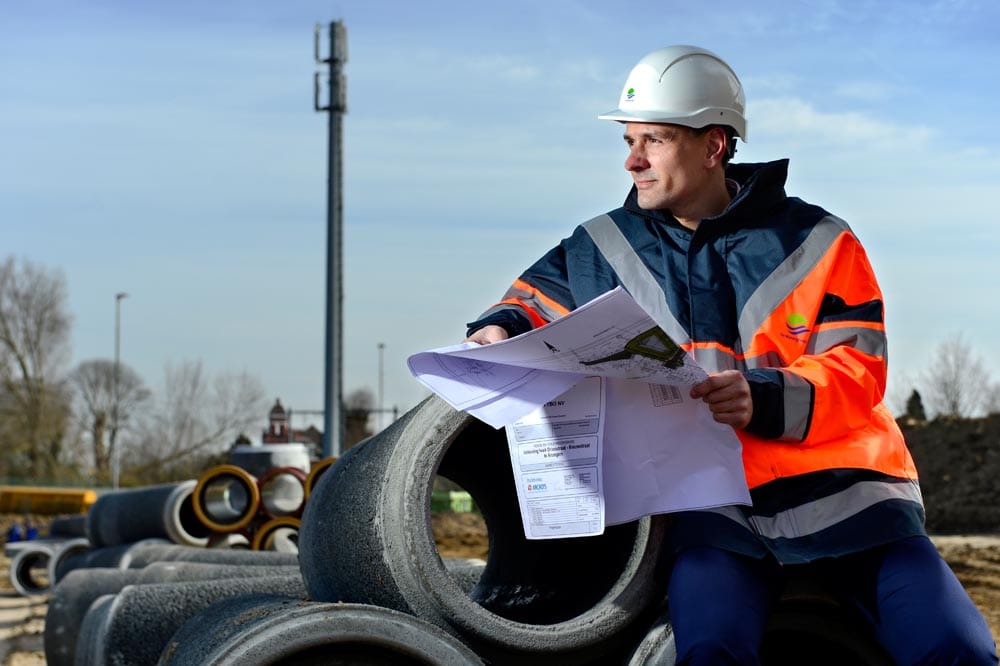
The same stitched panorama works differently in a showroom, a gallery, a factory and a house for sale. What changes is what we attach to it.
What a tour can carry
Every hotspot sits on the exact spot it describes: a specification, a material, a price, a caption in two languages. The text arrives when the viewer's attention does.
Instruction clips, testimonials and process films play inside the panorama, so nobody leaves the view to understand what they are standing in front of.
Viewers navigate by room, floor or production line. On large sites the plan doubles as a menu — one overview, then straight to the hall they need.
A build, a pour, a torch replacement photographed over weeks and rendered as a 360° sequence that shows change rather than a frozen moment.
Drop the tour on a Google Map, link to the webshop, to YouTube, to a booking form or a recruitment page — the panorama becomes a doorway.
Turn a phone to look around, or put on a headset for the full walk. It runs in the browser: nothing to install, nothing to update on the visitor's side.
360° movies
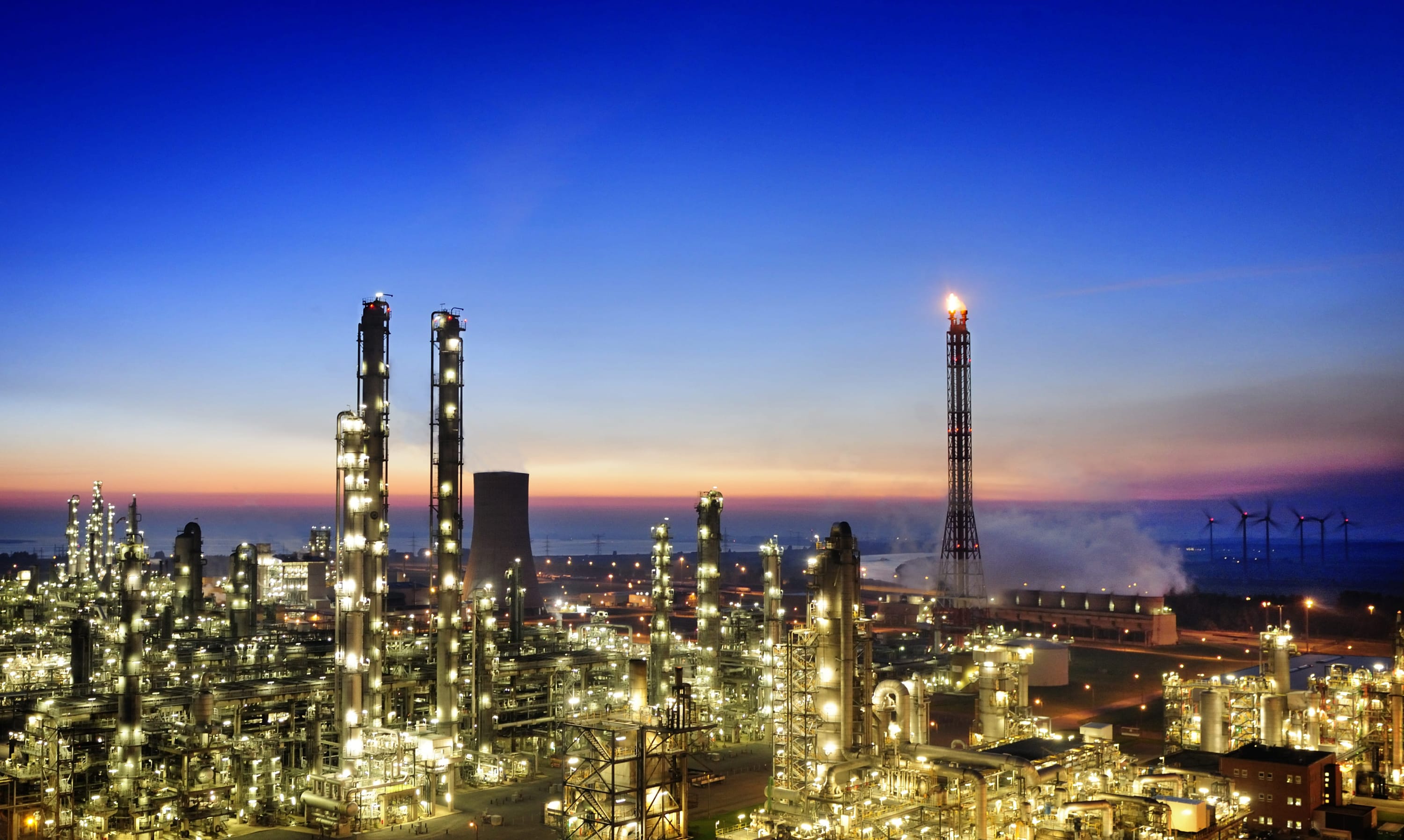
In a 360° movie the audience picks the angle, so the whole environment has to be worth looking at. We shoot with surround sound and finish with the sequence that carries the point — a flare replacement at BASF, a construction site for Nippon, a factory hall that only makes sense when you hear it.
How a tour is built
Small tours ship in days. An industrial site with time-lapse work is planned across weeks — the sequence below is the same either way.
We walk the site together, agree the camera positions and decide which views carry the story. Most buildings need six to twelve; a production line may need twenty.
360° photography, 360° video, surround sound and time-lapse in a single visit where the schedule allows, so your team is disturbed once rather than four times.
Panoramas stitched, hotspots placed, floor-plan drawn, data, links and video attached to the right views, then tested on a phone before it goes anywhere near your audience.
A hosted tour, embed code for your own site, a Google Maps location if it helps — plus a short walkthrough so your team can edit hotspots and prices without us.
Practical questions
No. The tour opens in the browser on phone, tablet or desktop, and the phone's gyro lets people look around by moving it. A headset is optional, never required.
Half a day for a showroom or a house. A full day for an industrial site, plus a scheduled return visit when there is a process to time-lapse.
Yes — it is embedded with one block of code, or hosted at its own address and linked from wherever you need it. Many clients also add it to their Google Maps listing.
Yes. A view is replaced when a store is refitted or a machine moves, and hotspots, links and prices are edited without re-shooting the site.
Hosting stays modest; updates are charged per change. Most clients review a tour once a year, and larger sites after every refit.
Start a 360° tour
Tell us the building, who has to understand it and the one thing they must not miss. You get back a view list, a shooting plan and a price — before anyone books a day in your building.
michel@wiegandt.be